
A sweet smell is the kind of thing you notice. A sweet smell that seems to drift in through the window of a small-town Illinois house in the summer of 1944, while half the men in town are overseas fighting a war, is the kind of thing you tell the neighbors about. That is exactly what happened in Mattoon, and within two weeks a town of about 15,000 people was armed, sleepless, and sure that a faceless man was stalking them with a sprayer full of gas.
The Smell on Grant Avenue
On August 31, 1944, Urban Raef was woken by a strange odor at his home on Grant Avenue. He felt sick to his stomach. His wife, trying to get up and check whether the gas stove was leaking, found she could barely move her legs. A day later, on September 1, Aline Kearney of Marshall Avenue smelled something sickly sweet, felt her legs go numb, and complained of a burning sensation on her lips and throat. Her husband, Bert, came home and said he saw a man at the window: tall, thin, dressed in dark clothes and a tight-fitting cap.
The local Daily Journal-Gazette put the Kearney story on the front page under the headline “Mrs. Kearney and Daughter First Victims.” They were not the first, but the headline did a lot of work anyway. Some experts think it implied there would be more. There were. The paper treated every report as fact, and the reports multiplied.
| Aug 31, 1944 | Urban Raef wakes to a strange odor at his Grant Avenue home. |
| Sep 1, 1944 | Aline Kearney and her daughter become the first victims the paper reports. |
| Early Sep 1944 | More than two dozen cases are reported: odors, nausea, weak legs, burning throats. |
| Sep 12, 1944 | Police lower the priority of gasser reports and point at nearby factories. |
| Sep 13, 1944 | The last arguable incident. |
| 1945 | Donald M. Johnson publishes a field study of mass hysteria. |
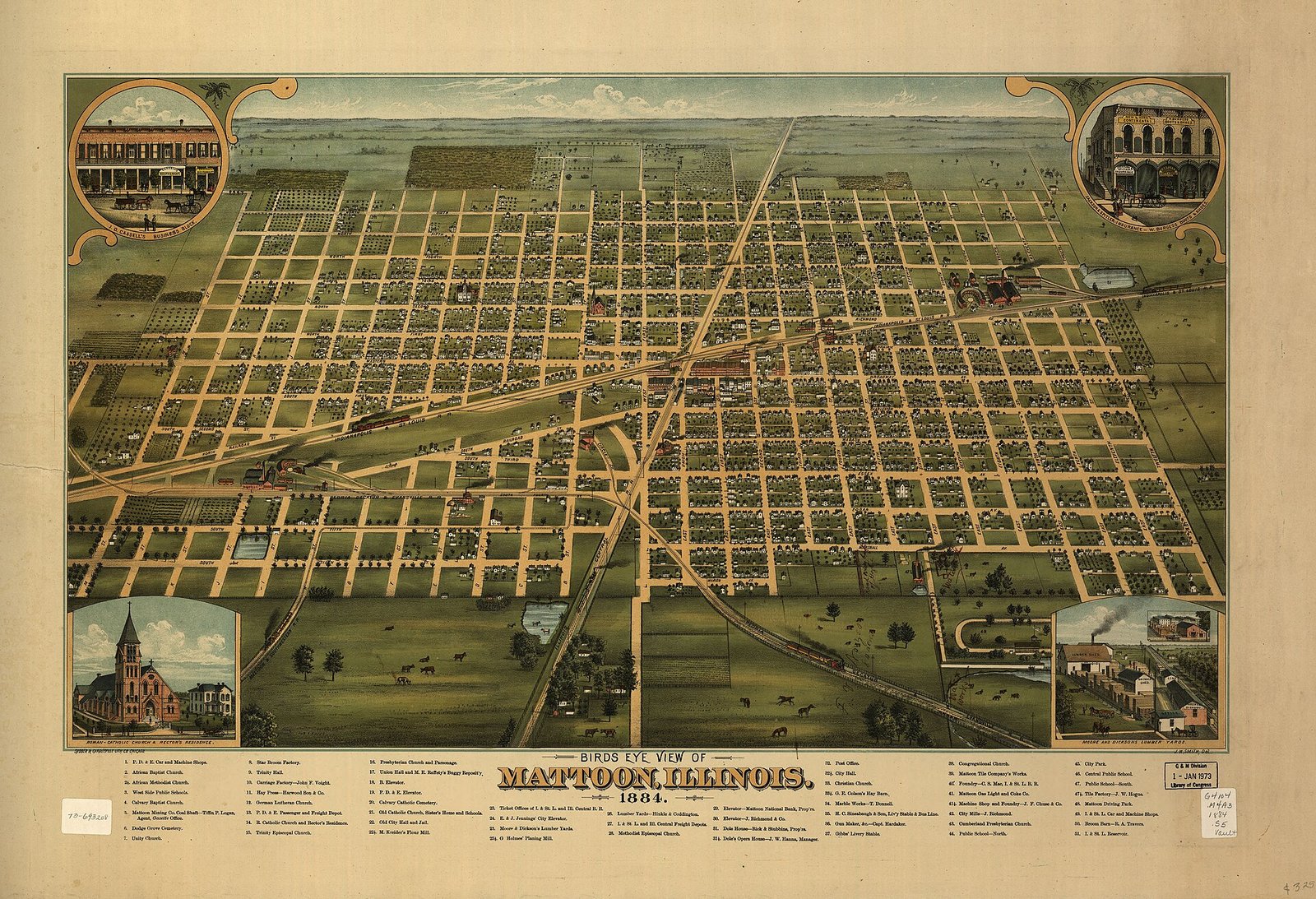
A Town With a Shotgun and a Dream
By the second week, reports were coming in faster than police could take them. People described a sweet or strange smell, nausea, vomiting, coughing, weakness, partial paralysis of the legs, and burning lips and throats. Nobody died. Nobody had lasting effects. Police gathered what they could: a white cloth, a skeleton key, and an almost empty lipstick tube at one house, plus footprints and torn window screens. Analysis found nothing that explained the reactions.
The gasser got a makeover with every retelling. Bert Kearney’s tall, thin man in the tight cap became the standard. Later reports described a woman dressed as a man. Some said he carried a flit gun, the sprayer people used for pesticide. Meanwhile, the vigilantes took to the streets. “Chasers” followed police cars, many of them armed, and police started arresting some of them for the safety of everyone else. At least one woman accidentally shot a hole in her own wall while arming herself. That is the most Midwestern sentence we have ever written.
The FBI got involved. Police urged residents to stay off the streets and disband their patrols. Mattoon’s health commissioner, Thomas Wright, had a tidy diagnosis: the town did not have one madman, he said, it had fifteen thousand.
The Machine That Made the Gasser
On September 12, Police Chief C. E. Cole suggested the symptoms could be coming from chemicals drifting off nearby factories, pointing at carbon tetrachloride or trichloroethylene. One plant, Atlas-Imperial, said it had only five gallons of carbon tetrachloride on site, stored in firefighting equipment, and that the other chemical could not make anyone sick. That same day, police stopped prioritizing gasser reports. The last arguable incident came on September 13, and then it stopped, almost as if somebody had flipped a switch.
A University of Illinois psychology student named Donald Johnson looked into it. In 1945 he published “The Phantom Anesthetist of Mattoon: A Field Study of Mass Hysteria” in the Journal of Abnormal and Social Psychology. His conclusion was that the newspaper coverage was the trigger. Readers took the Journal-Gazette seriously, saw a story about a gas attacker, and began to read every strange smell and queasy stomach as proof. He counted nearly 30 police reports in all. Police themselves pointed to women left home alone while their husbands were away at war. In short, the gasser was real the way a rumor is real.
But What If There Was a Man?
Not everyone has signed off on the hysteria verdict. Scott Maruna, a high school chemistry teacher, argued in his 2003 book The Mad Gasser of Mattoon: Dispelling the Hysteria that a real attacker was out there. Officials at the time considered mustard gas and chloropicrin and ruled both out, because the symptoms did not fit. And the story had a precedent: similar reports from Botetourt County, Virginia, in the early 1930s, which never made the Illinois papers. Believers say that is hard to chalk up to one town’s suggestion. Skeptics say a sweet smell, an upset stomach, and a sleepless night happen to normal people every day, and a town primed to expect a gasser will count every one.
That is the part that sticks. The scariest version of the Mad Gasser is not the man in the tight cap at the window. It is how quickly a small town, a front-page headline, and a wartime summer’s worth of nerves can turn into something physical and sick-to-your-stomach real. Most of those people were not lying. They felt it. The gasser was probably not a person. He was an idea that got into 15,000 heads at once, and no amount of police work was going to catch him. If you are reading this at midnight with a strange taste in your mouth, drink some water and go to bed.
Sources
- WikipediaMad Gasser of Mattoon
- SkeptoidThe Mad Gasser of Mattoon, episode 550
- Belt MagazineThe Mattoon Mad Gasser, by Debbie Carlson
- Legends of AmericaMad Gassers of Virginia and Illinois
- University of Illinois Press200 Years of Illinois: They Haunt By Night